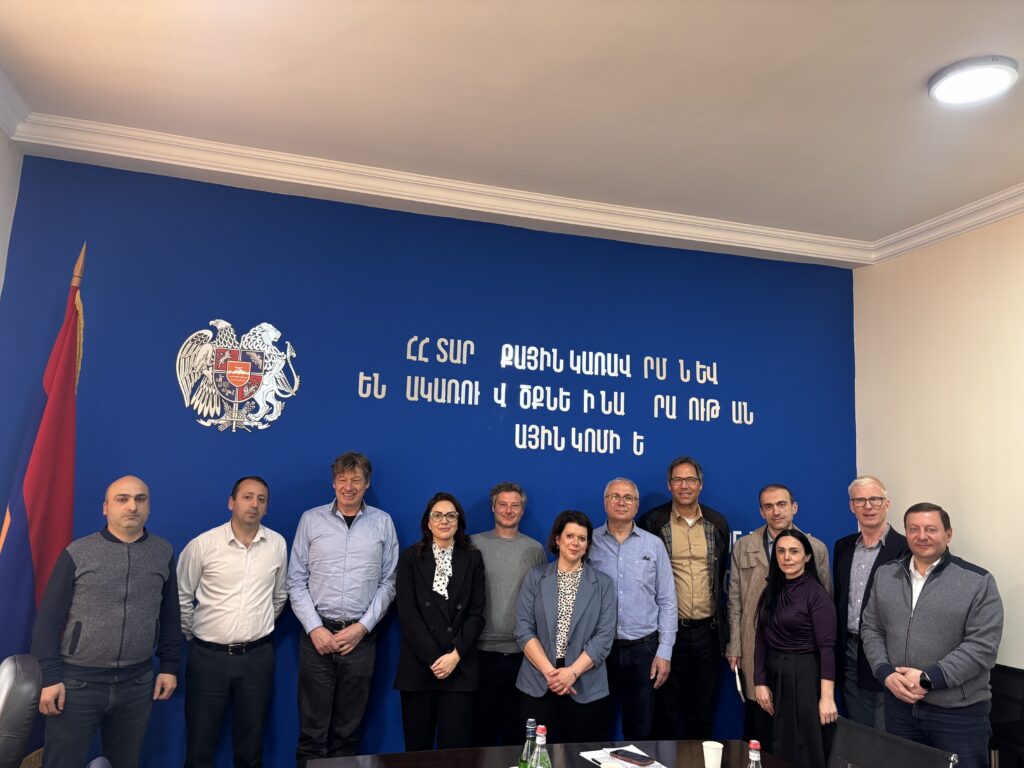
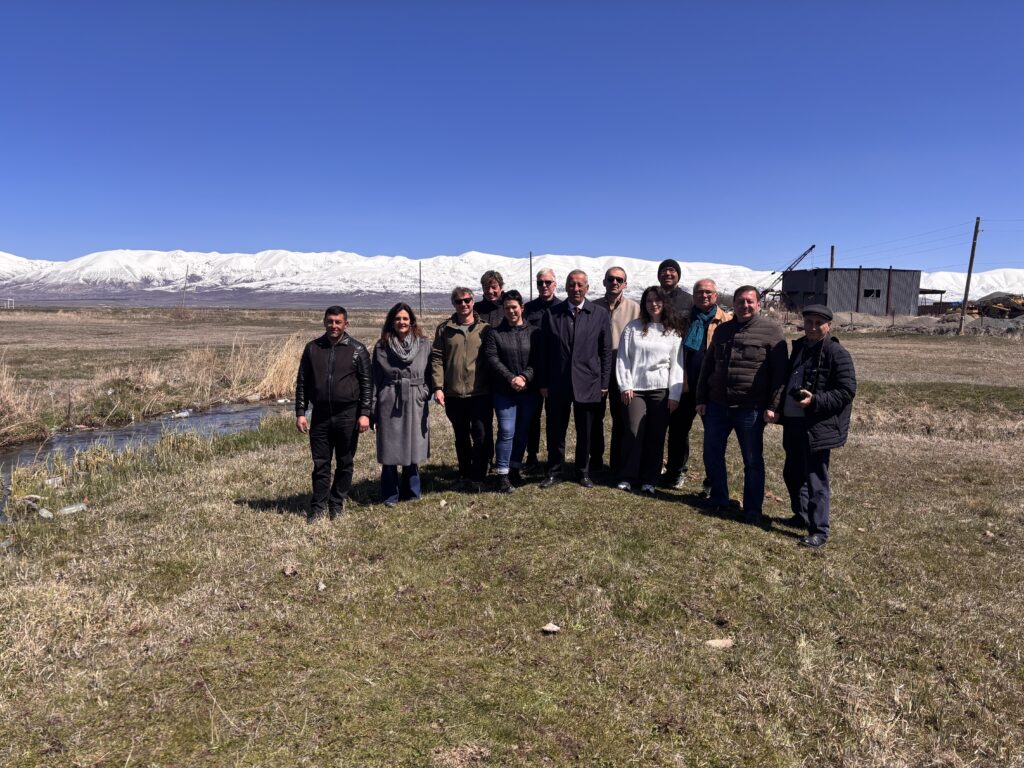
From April 12 to 19, 2026, a team from Stadtentwässerung Dresden GmbH (SEDD) traveled to Armenia to lay the groundwork for a new operator partnership in the catchment area of environmentally sensitive Lake Sevan. Together with the partner municipalities of Gavar, Vardenis, and Martuni, as well as GIZ Armenia, the team assessed the current situation, responsibilities, and technical options for municipal wastewater management. In addition, technical discussions were held with other national and international stakeholders, including the Armenian Water Committee, the Asian Development Bank (ADB), and KfW Development Bank. The aim was to identify priority areas for action in order to effectively reduce wastewater discharges into the lake. The operator partnership is being implemented and financed within the framework of the GIZ project “EU4 Sevan”. The operator partnership thus serves as a complementary instrument within the framework of bilateral development cooperation.
Lake Sevan Under Increasing Pressure
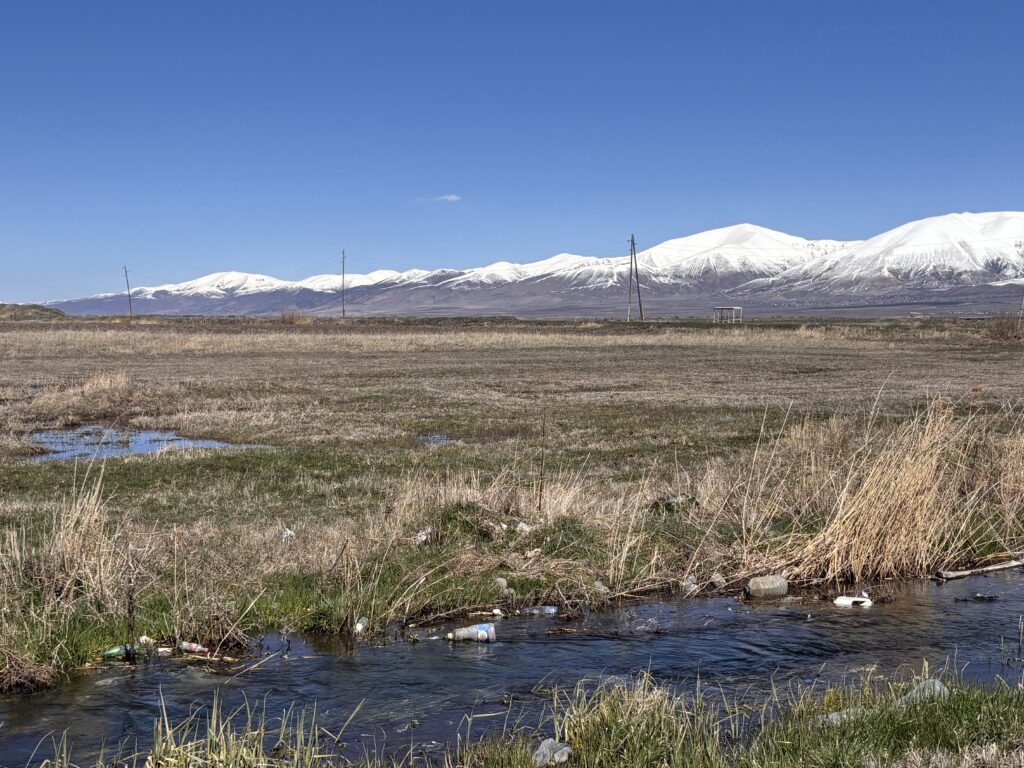
Lake Sevan—the largest freshwater reservoir in Armenia—is under significant pressure from wastewater discharges from surrounding settlements. The Armenian government has set 2030 as the deadline by which wastewater management must be organized under the responsibility of each city or municipality. To achieve this, appropriate institutional structures must be established, along with the necessary technical infrastructure and facilities.
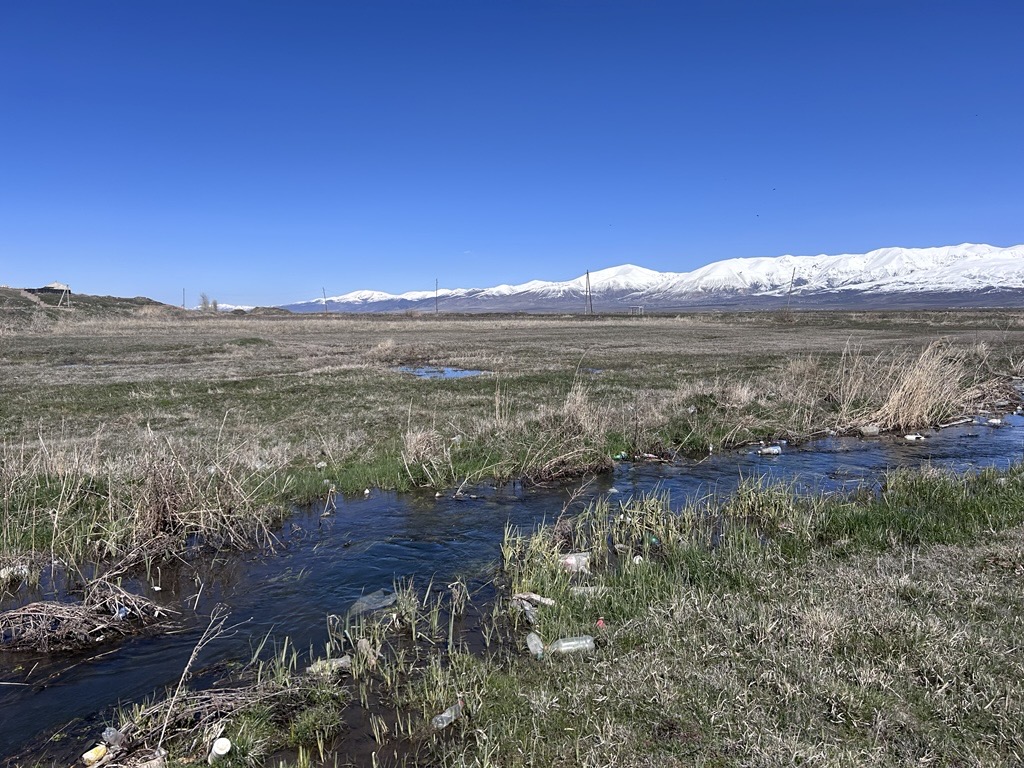
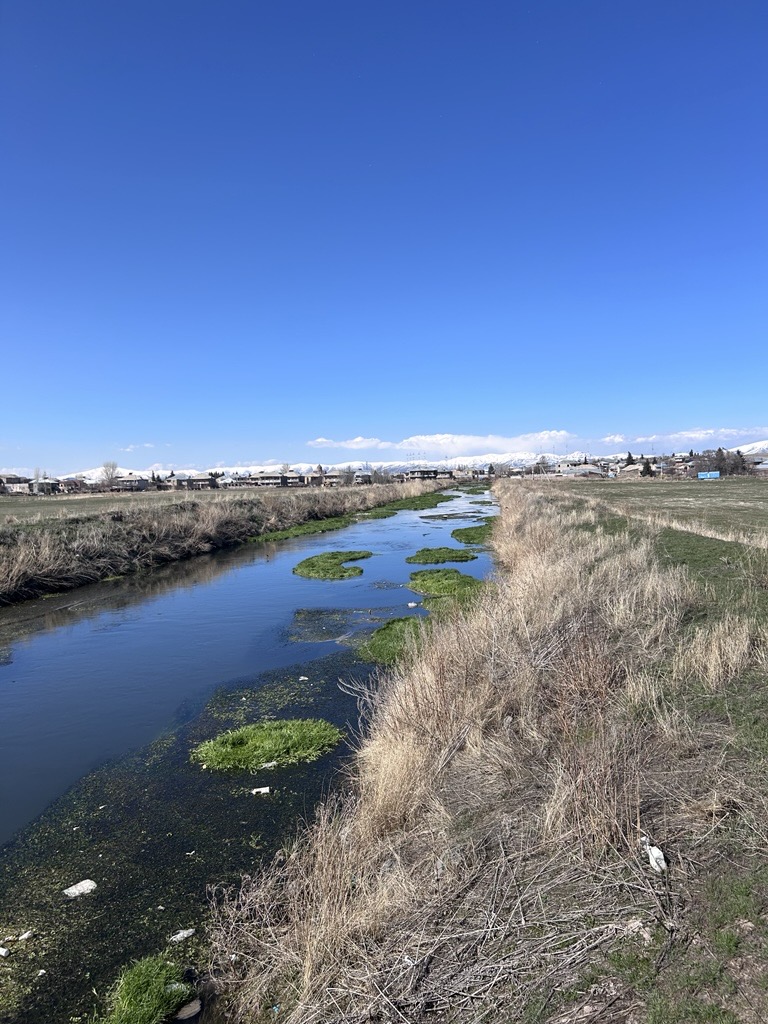
Against this backdrop, the delegation examined in particular the potential of decentralized, nature-based solutions such as constructed wetlands and identified potential pilot sites in Gavar, Vardenis, and Martuni. At the same time, it became clear that technical solutions alone are not sufficient: they must be complemented by clear responsibilities, viable operating models, and legally sound tariff structures. Equally crucial is reducing pollution at the household level.
Technical and Institutional Approaches to Solutions
In discussions with municipalities, authorities, and international donors, technical, organizational, and economic issues were considered jointly. At the same time, the exchange provided an opportunity to deepen cooperation with the partner municipalities and strengthen personal contacts. During their stay, the SEDD team also held intensive consultations with the local GIZ (Gesellschaft für Internationale Zusammenarbeit) office. The technical discussions focused on the suitability of nature-based solutions, site-related issues—including the delineation of public and private land—operator and licensing requirements, tariff models, and potential co-financing opportunities.
The discussions made it clear that the project involves a broad range of interconnected technical, organizational, legal, and economic issues that will need to be systematically structured, assessed, and prioritized as the project progresses. The greatest challenge lies less in the technical design of individual solutions and more in developing a viable operator partnership between the municipalities involved and local stakeholders. The aim must be to bring together the different interests, responsibilities, and institutional frameworks in such a way that a reliable, long-term organizational structure for the operation and maintenance of the wastewater infrastructure can be established. Only through a clear distribution of roles, shared objectives, and a robust cooperation model can the sustainable functionality of the planned infrastructure be ensured.
One possible approach could be the establishment of an intermunicipal wastewater association that brings together governance, operations, and staff development. In addition, capacity-building measures are being developed, including basic training in drinking water and wastewater management, technical and commercial operations management, as well as concepts for environmental education and public outreach.
In the area of environmental education, ideas include WASH school clubs, local initiatives such as “Clean Stream” campaigns, and the development of information materials tailored to specific target groups.
Key Findings of the Mission
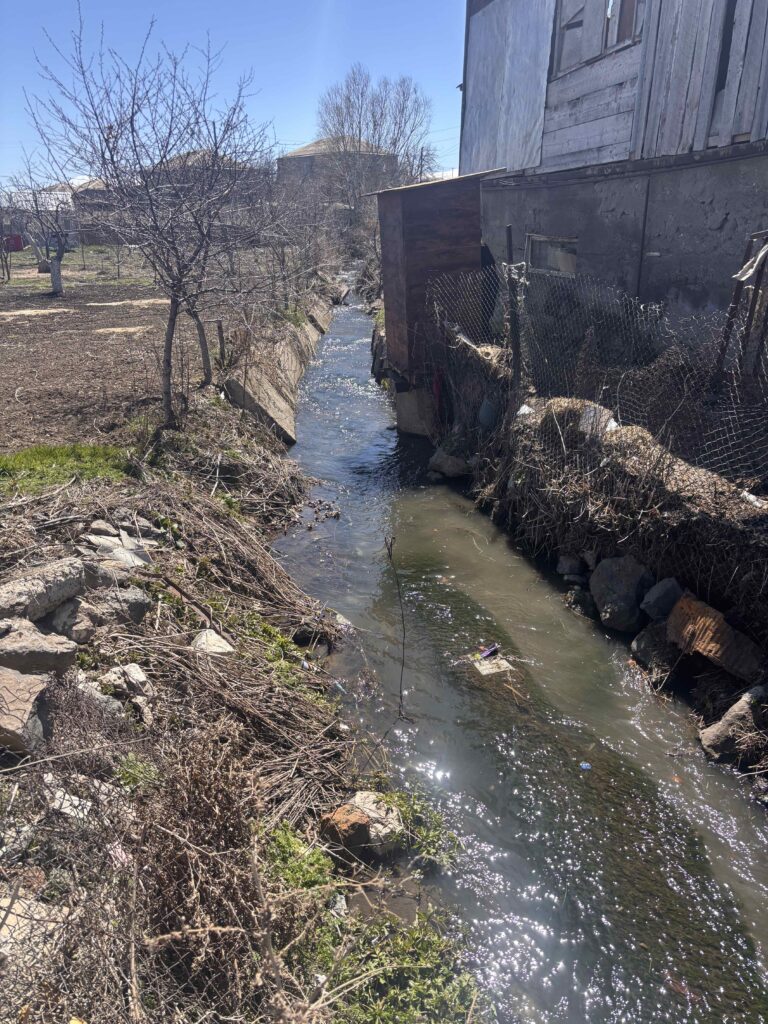
The fact-finding mission showed that the pilot municipalities currently have very few functioning structures in place for the operation of wastewater services. Responsibilities and operator roles are unclear and, in some cases, do not exist at all. Qualified technical personnel and the necessary licenses are also often lacking.
Decentralized, nature-based systems offer a climate- and resource-friendly solution, particularly for smaller municipalities, but they can only partially address the existing infrastructure gaps. It is therefore essential to tackle the causes directly at the source of the wastewater, for example through improved pre-treatment, higher connection rates, the expansion of sewer networks, and the rehabilitation and proper operation of existing septic tanks.
Looking ahead, there is an opportunity to establish a joint operating model that is both economically viable and socially balanced. This would require the development of tariff structures that enable the sustainable operation of the facilities while taking into account the financial capacity of the population. At the same time, appropriate legal and organizational frameworks could be established to create transparent and reliable procedures for tariff collection. An intermunicipal approach offers the opportunity to pool resources, leverage synergies, and gradually build a professional, efficient operating organization capable of ensuring the long-term and sustainable operation of the wastewater infrastructure.
Outlook and Next Steps
As the next step, the various technical, organizational, and institutional issues must first be jointly structured, the key areas clarified, and the roles of the stakeholders involved more precisely defined. Only on this basis can a coordinated work plan with realistic timelines and clear responsibilities be developed. Initial ideas and technical input are currently being developed, and appropriate formats for further exchange are being prepared.
For the participating pilot municipalities of Gavar, Vardenis, and Martuni, the focus is particularly on questions regarding the future development of wastewater management, potential technical solutions, and suitable organizational structures.
To deepen the technical exchange, a specialist conference will be organized in Dresden, marking the Armenian partners’ first return visit. Covering a broad range of topics, the conference will help share experiences, jointly assess challenges, and identify potential development pathways for further project work. At the same time, consideration will be given to how public relations and environmental education can be integrated at an early stage in order to strengthen public acceptance, individual responsibility, and active community participation over the long term.