
The project
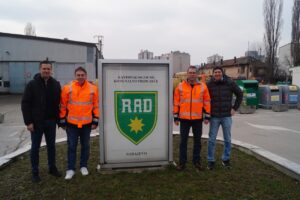
The utility partnership between the Zweckverband Abfallwirtschaft Hildesheim (ZAH) and KJKP „RAD“ Sarajevo was initiated at the end of 2025 as part of the Utility Platform. It is part of the programme “Green Transformation – Promotion of the Circular Economy in Cities and Municipalities in Bosnien und Herzegowina”, which is implemented on behalf of the German Federal Ministry for Economic Cooperation and Development (BMZ).
The partnership is not based on an existing municipal cooperation, but was specifically initiated as part of the GIZ programme. Its aim is a practice-oriented exchange of experience to further develop key areas of municipal waste management in Sarajevo. The focus is particularly on improving the financial foundations, optimising operational processes, and strengthening organisational structures.
Work Packages of the Partnership
There are three key work packages to which the partnership is dedicated:
tariff structure and fees, operational optimisation, as well as public relations and communication.
- Tariff structure, fees and regulation
The existing fee structure of KJKP RAD is based on foundations that have not been fundamentally adjusted for many years. In view of rising operating and investment costs, there is a structural need for reform. The aim of this work package is the further development of an economically viable and user-pays fee system.
The focus is on exchanging knowledge about fee models, calculation approaches, and regulatory frameworks, as well as analysing the existing data base. Initial progress has already been made through the reform of the fee structure adopted in March 2026. The collaboration takes place through regular technical discussions, workshops, and working visits.
- Operational optimisation and economic efficiency
Waste management in the Canton of Sarajevo has basic technical structures but shows significant potential for organisational and operational optimisation in many areas. The aim of this work package is to increase efficiency in collection, transport, and operational management.
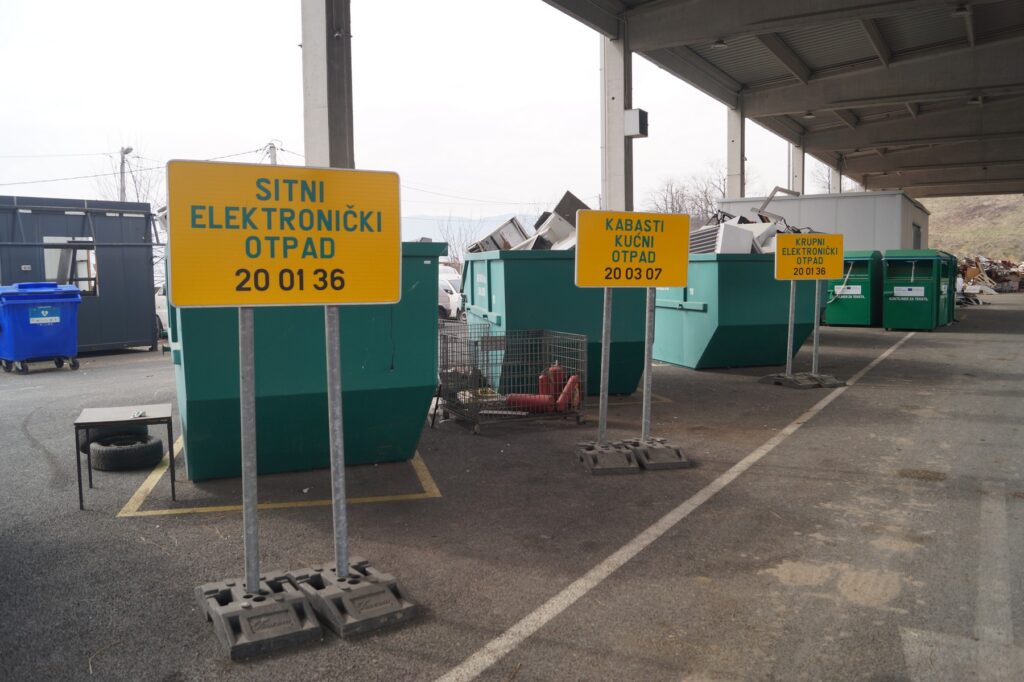
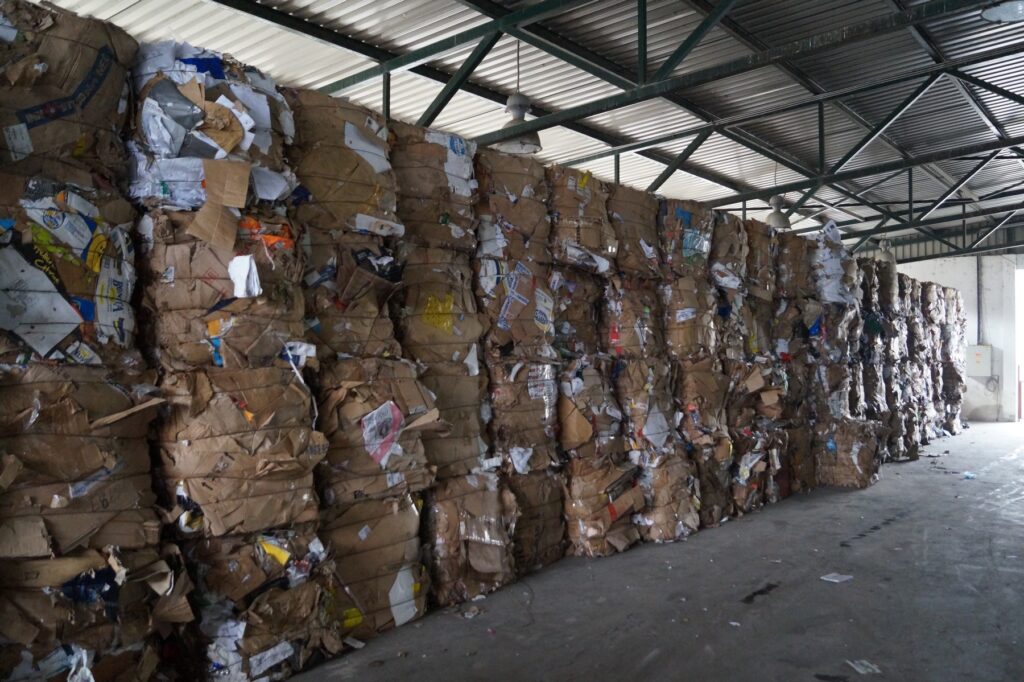
Key areas include the optimisation of routing and deployment planning, the further development of procurement and marketing processes, and the improvement of recyclable materials utilisation. The collaboration involves on-site analyses, professional exchanges, and hands-on insights through working visits and job-shadowing.
- Public relations, communication, and transparency
The successful development of waste management requires the acceptance of both the public and political decision-makers. The aim of this work package is to strengthen communication, transparency, and public awareness of sustainable waste management.
The focus is on measures to inform and raise awareness among the public, improve internal and external communication structures, and support a fact-based public discussion. The collaboration takes place through exchanges on communication strategies, joint formats, and accompanying public relations activities.
Activities
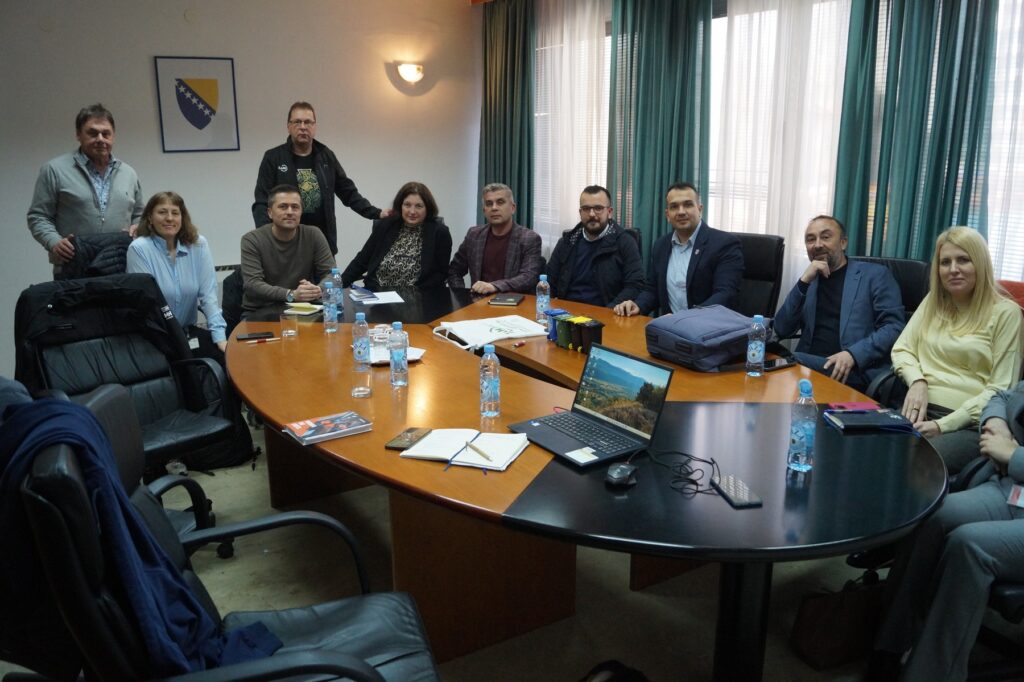
The activities of the partnership serve as a practical exchange between both organisations and the joint development of concrete solutions. The aim is to translate experiences directly into actionable measures and to continuously deepen the collaboration.
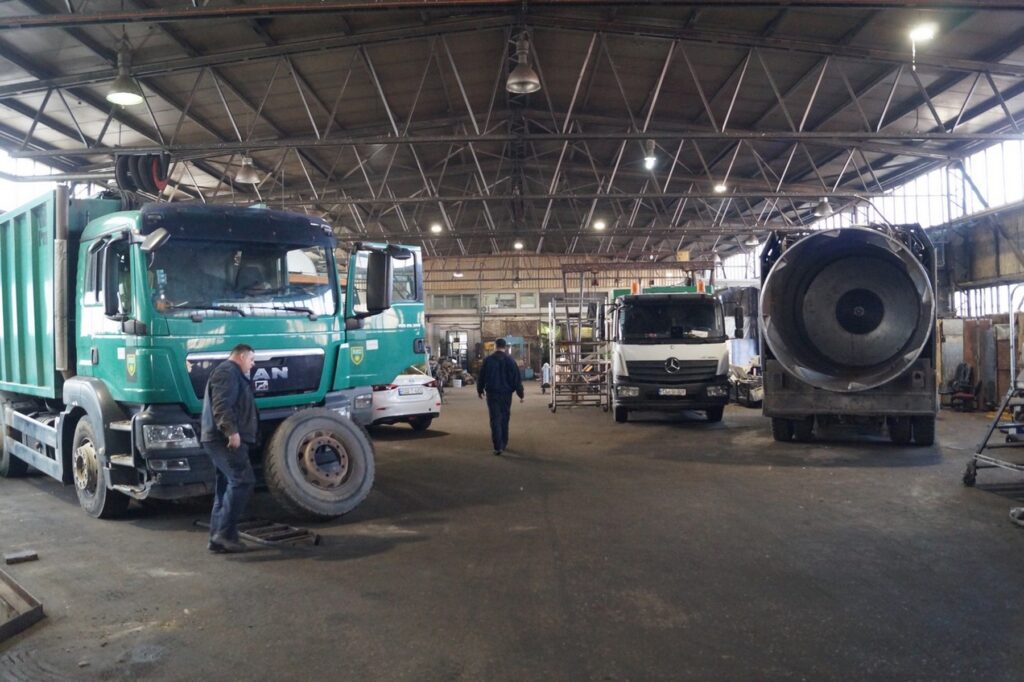
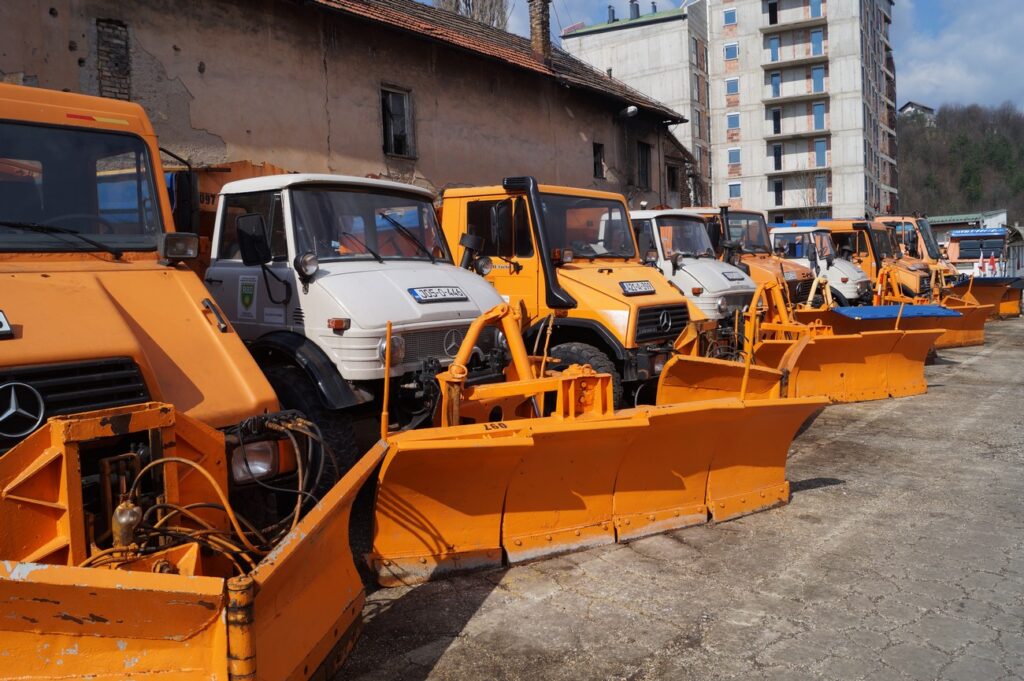
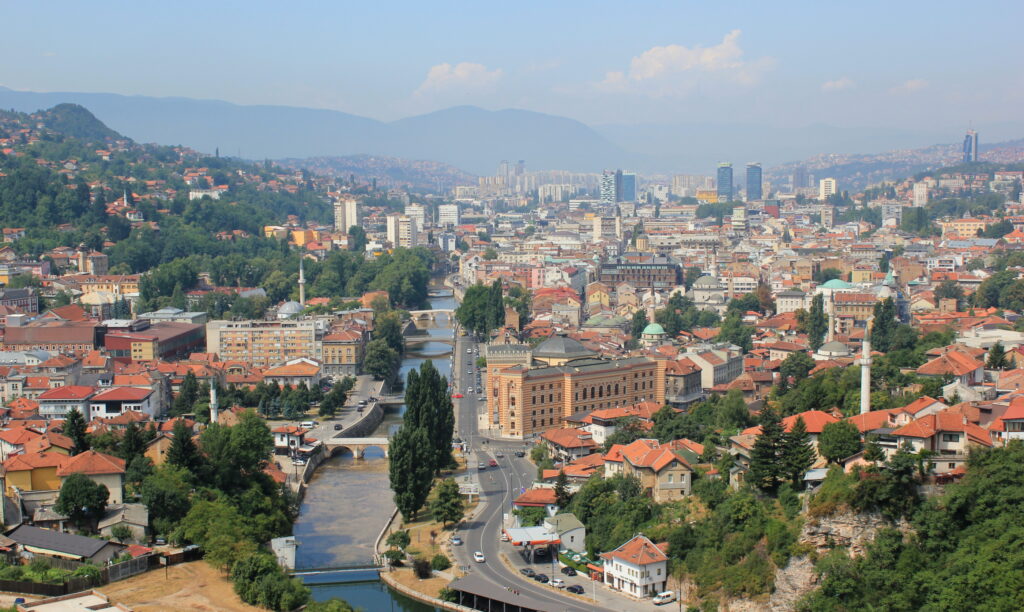
Cover photo: Julian Nyča