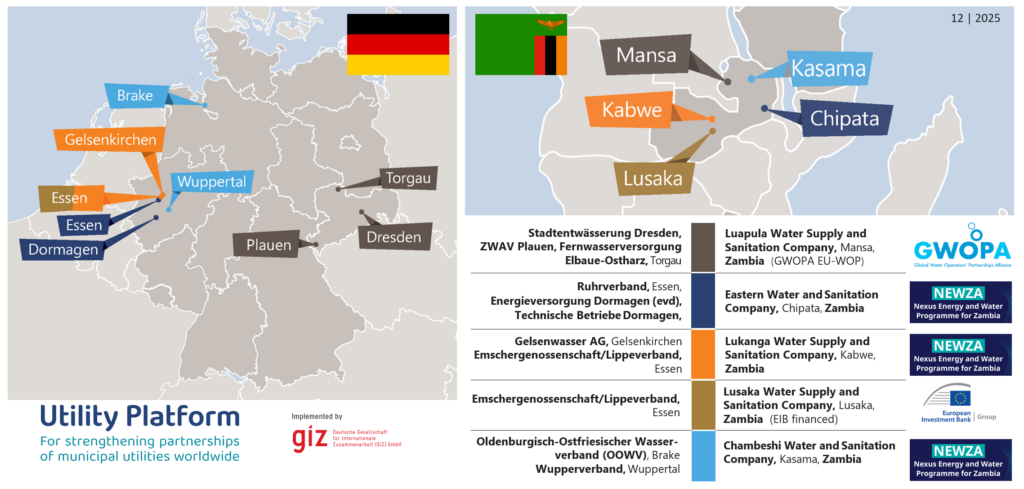
From 24 to 27 November 2025, German and Zambian water and sanitation utilities from five operator partnerships, representatives of the Utility Platform, as well as GIZ colleagues from the GIZ Zambia Office, came together in Lusaka, Zambia. The aim of this annual meeting, that was held for the second time (see article from last year here), is to enable in-depth exchange beyond the individual German Zambian operator partnerships and to engage jointly with additional Zambian and international stakeholders. The week offered numerous opportunities to share experiences, discuss opportunities and challenges, and plan concrete steps for future collaboration.
Video creator Mark Mpundu spent the week with us. He got to see firsthand how our Water Operator Partnerships (WOPs) are helping to strengthen water systems and deliver practical solutions on the ground. You can also find this video on Instagram and TikTok (honeymarku5). The YouTube Channel of the Utility Platform also offers more videos: Utility Platform – YouTube.
Operators Partnerships Meeting in Lusaka: 24 to 25 November
The first days of the meeting were marked by intensive discussions with key actors of the Zambian water sector and international partners facilitated by the EU and BMZ funded Nexus Energy and Water Programme for Zambia (NEWZA). Among the high-level representation was the Zambian Minister of Water Development and Sanitation, Hon. Collins Nzovu, the German Ambassador to Zambia, Soenke Siemon, BMZ’s Senior Country Desk Officer for Zambia Ellen Funch, and representatives from the Delegation of the European Union to Zambia, KfW and COMESA.
The meetings with political and institutional partners served to present operator partnerships as an effective instrument of international development cooperation. They also provided a platform to highlight the progress achieved by the five German Zambian partnerships and to illustrate how these partnerships and the NEWZA Programme (Nexus Energy and Water Programme for Zambia) are linked within the Zambian water sector. Discussions with the ministry, the German Embassy, BMZ representatives and the GIZ Zambia Office focused on both achievements and ongoing challenges.
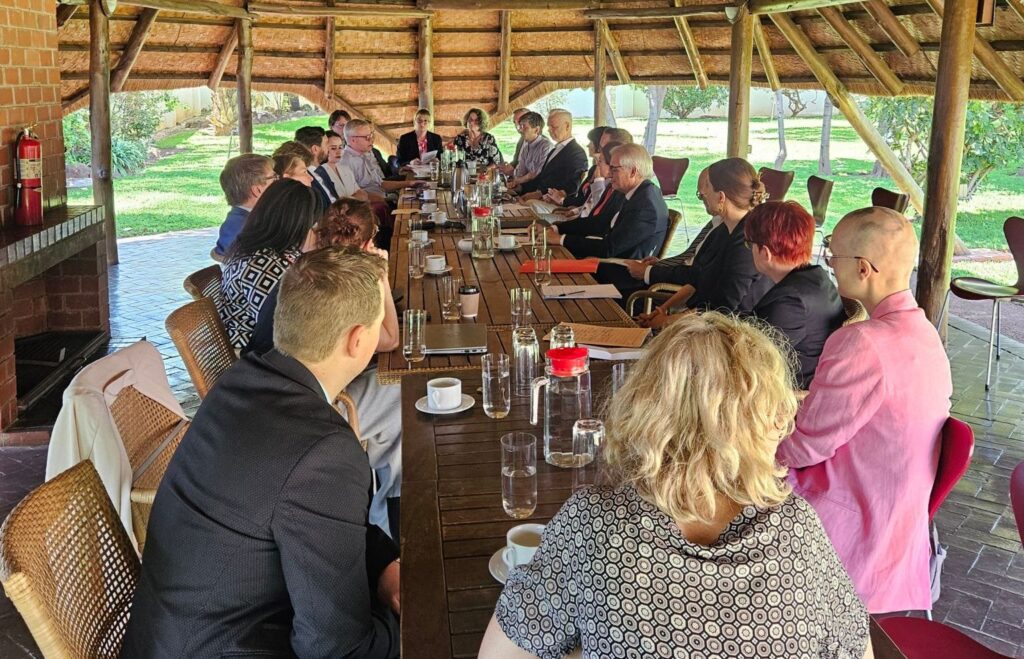
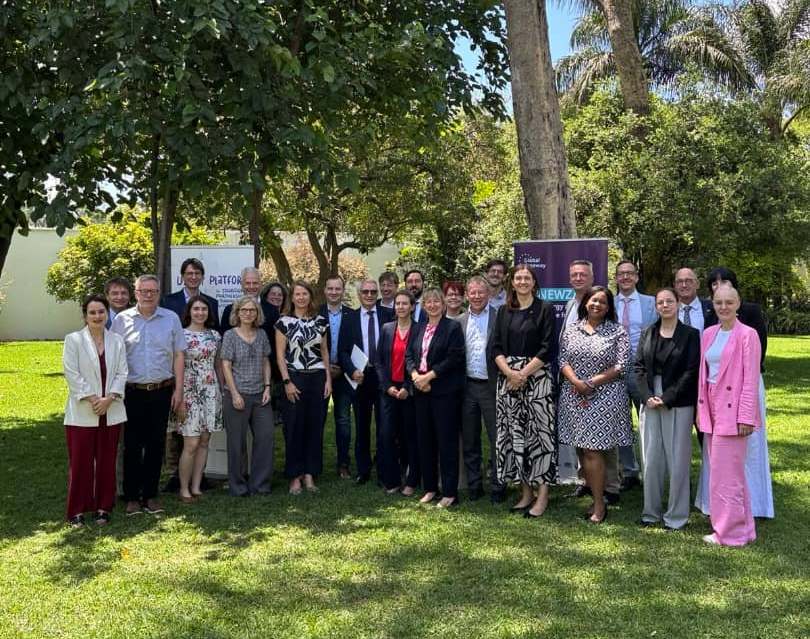


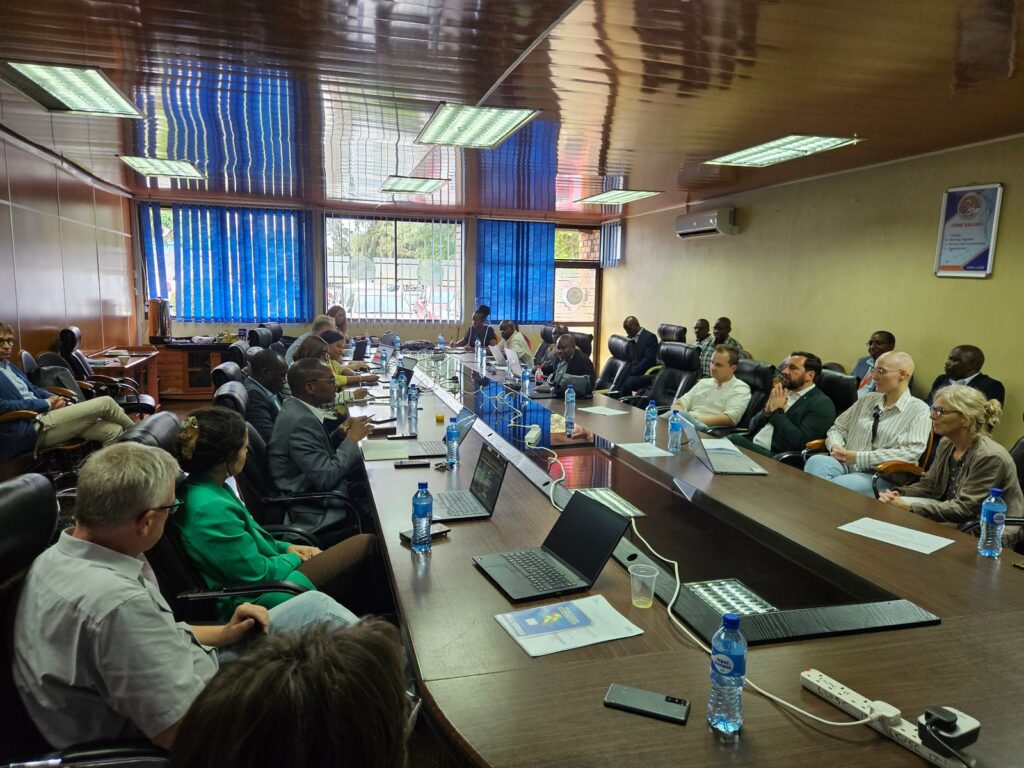
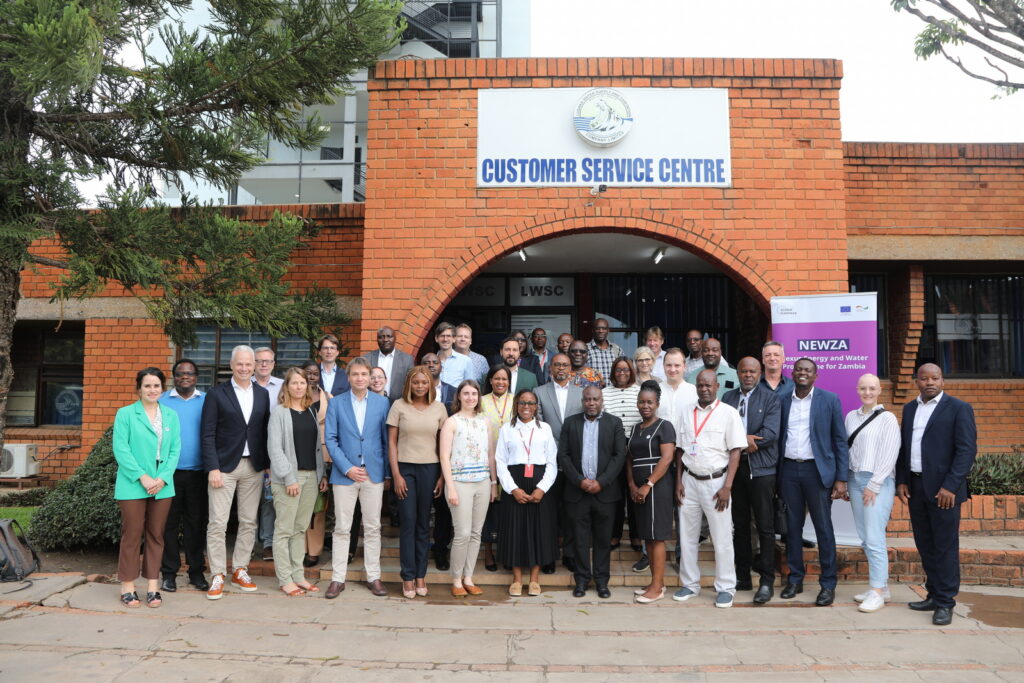
The dialogue underlined how operator partnerships contribute to reducing water losses through leakage detection and repair, improving occupational safety through targeted training, and establishing efficient GIS systems for network management. Overall, the discussions demonstrated the significant added value of the cooperation and its relevance for strengthening water and sanitation services in Zambia.
Operational Planning of NEWZA Project: 26 to 27 November
This was further complemented by fruitful exchanges and planning exercises among the five operator partnerships supported by the Utility Platform, as well as their integration into the operational planning of the NEWZA (GIZ) Programme for 2026. This provided the participating German and Zambian utilities with valuable insights into how their practical collaboration is embedded within a broader international development initiative and how their contributions generate concrete outcomes.
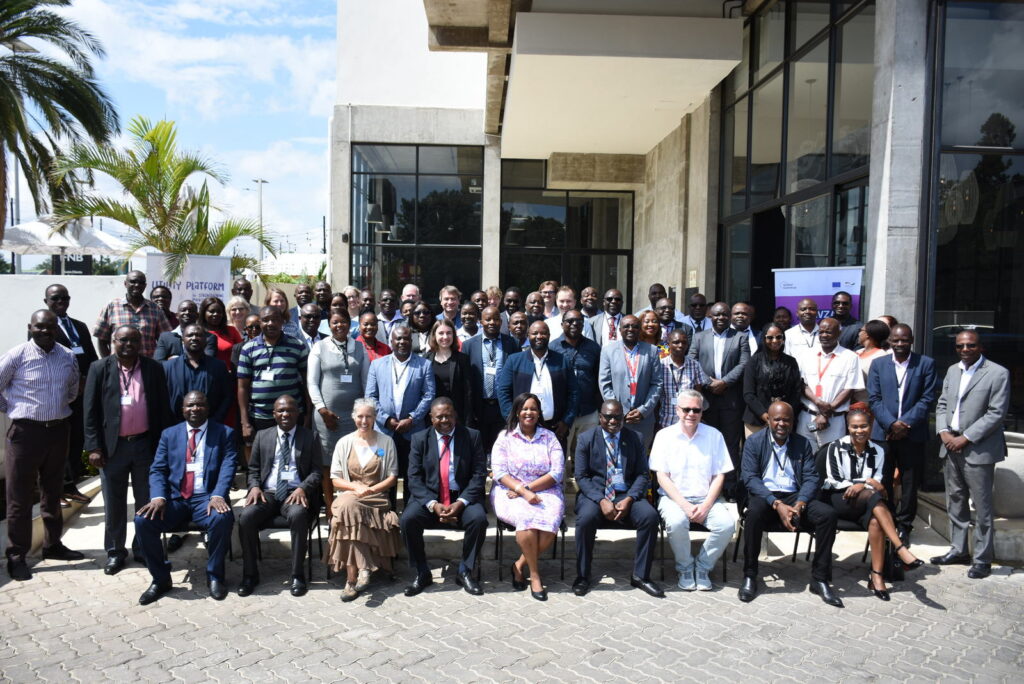
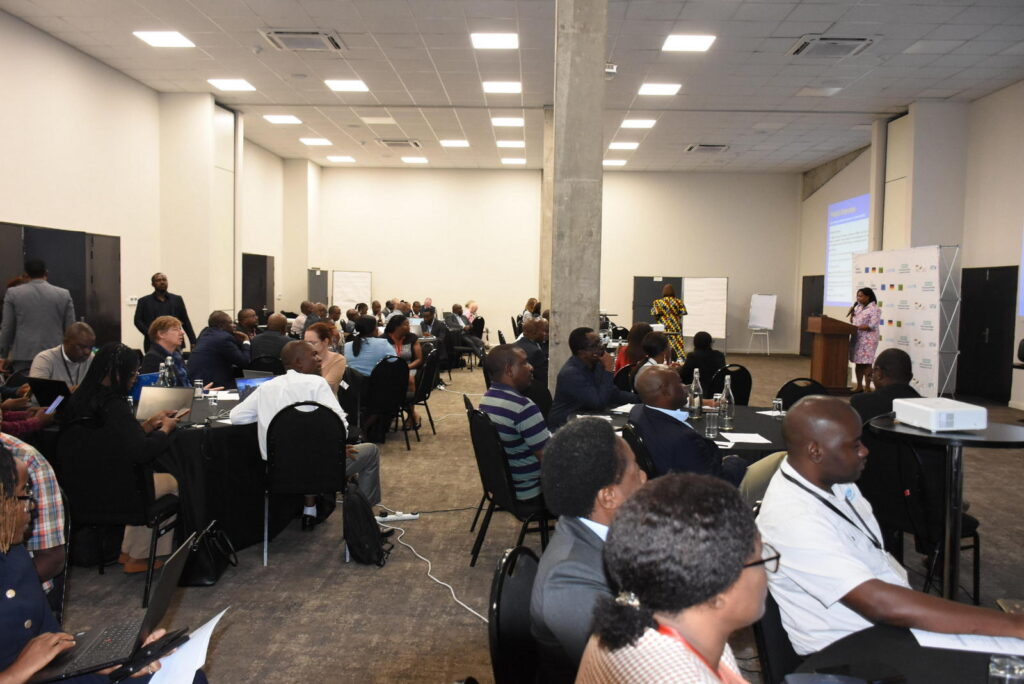
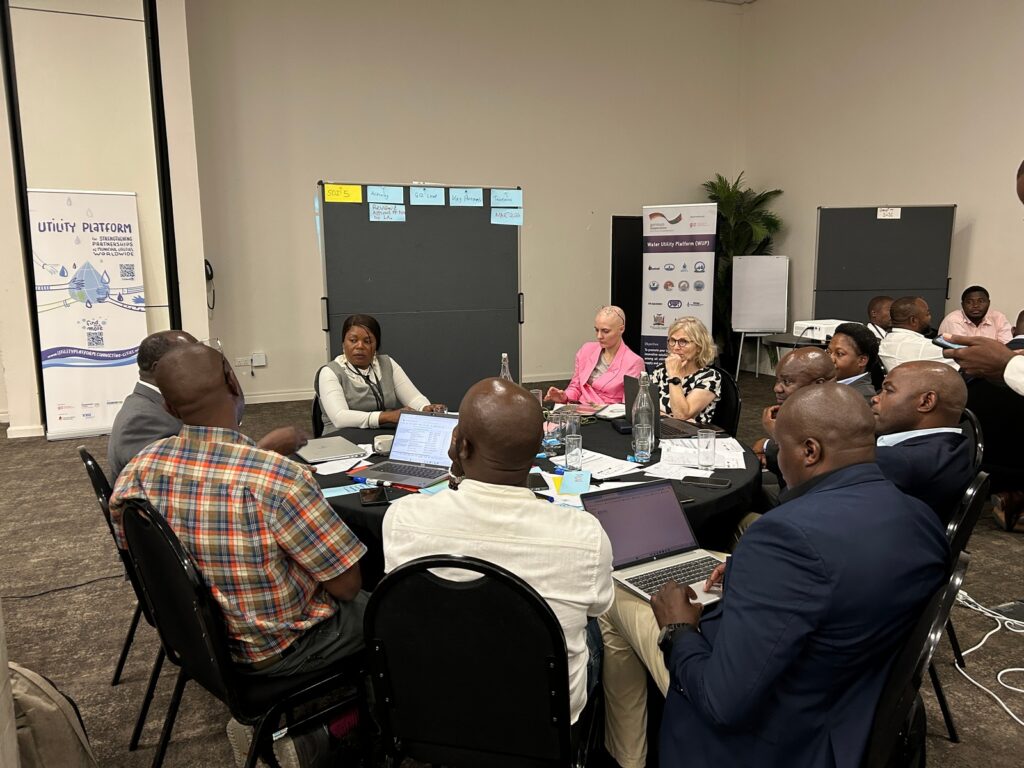
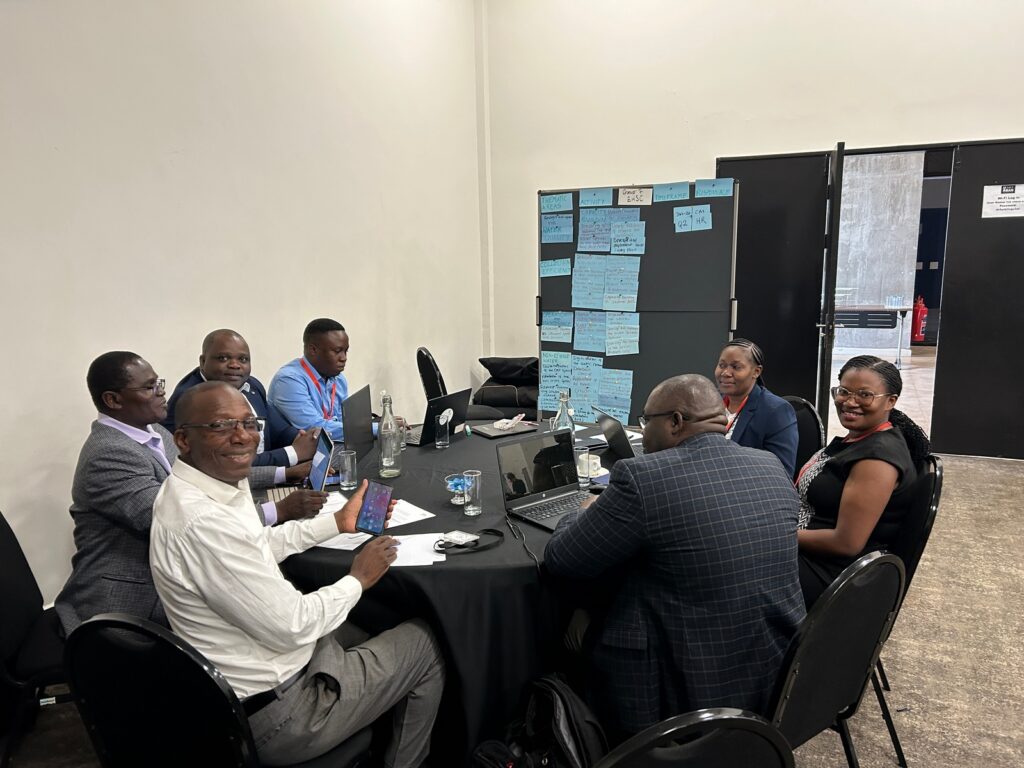
Furthermore, the partners discussed how German Zambian cooperation could be targeted even more effectively to support the utilities in the years to come. The exchanges emphasised the importance of regular dialogue as a foundation for coherent and impactful cooperation. All partners left the meeting with a 2026 plan and many new ideas to tackle together.
The utility partnerships with Lukanga, Chambeshi and Eastern Water and Sanitation Company are co-financed by the EU and BMZ funded Nexus Energy and Water Programme for Zambia (NEWZA).
Visit to Iolanda Water Works 2: 27 November
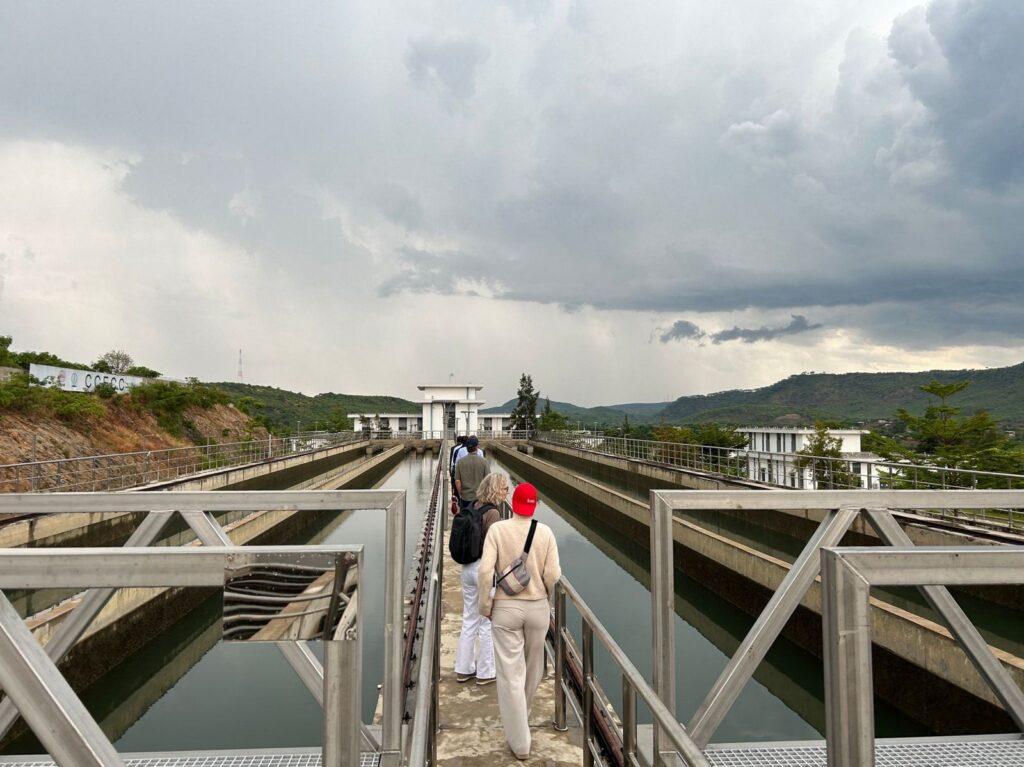
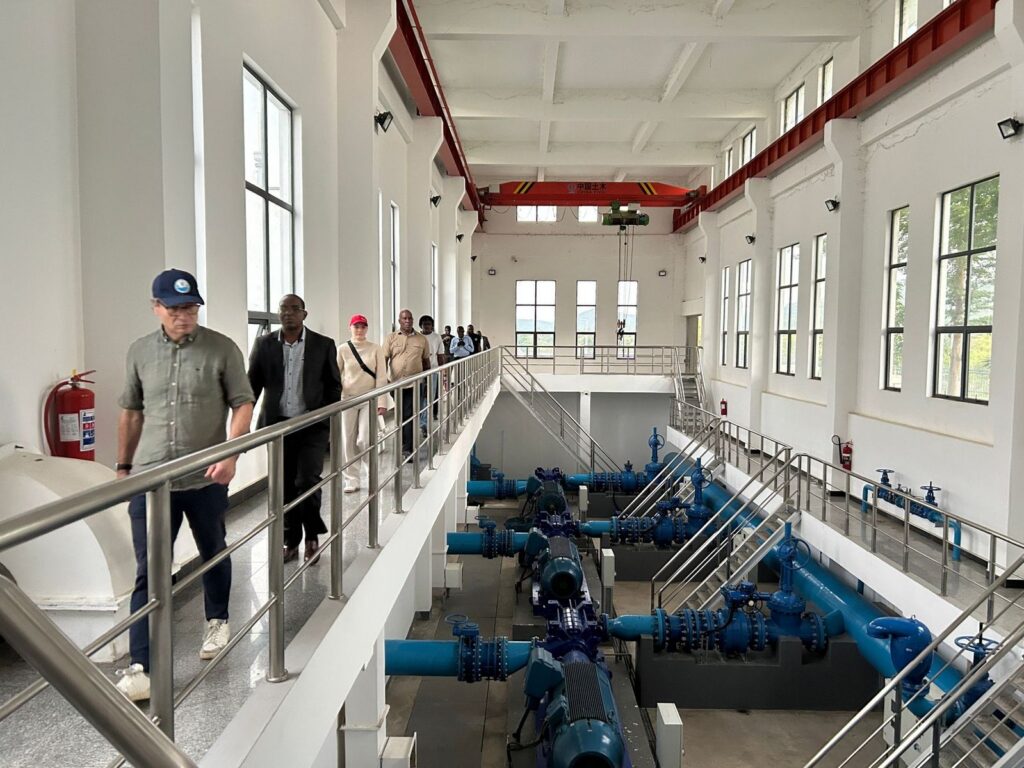
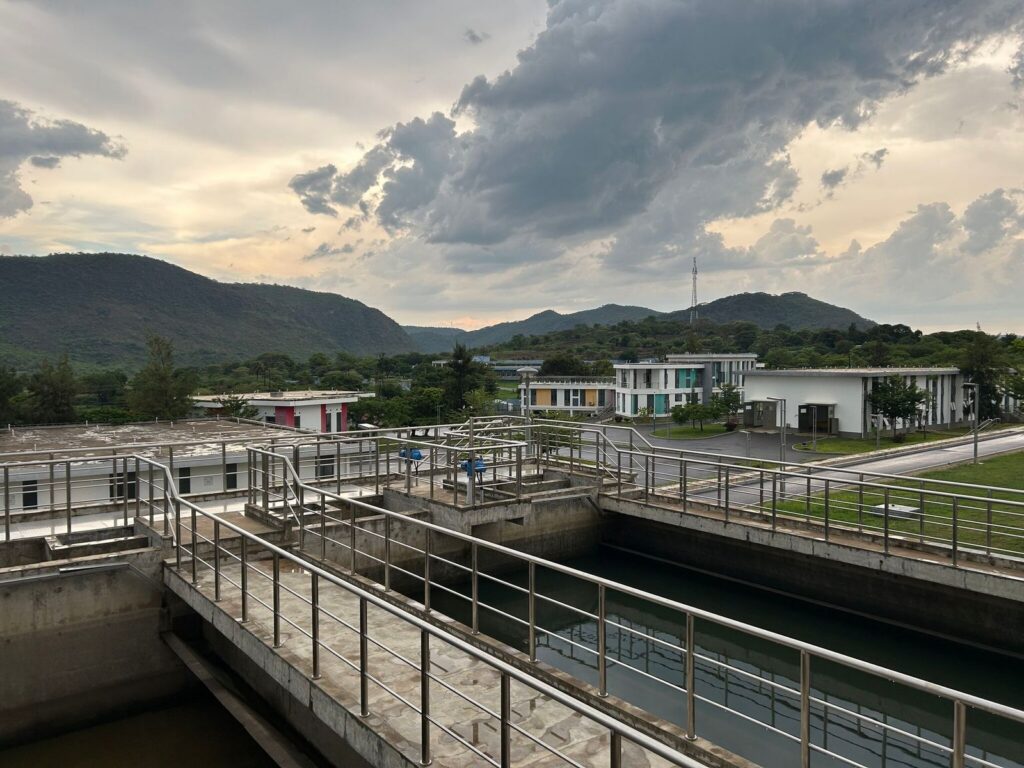
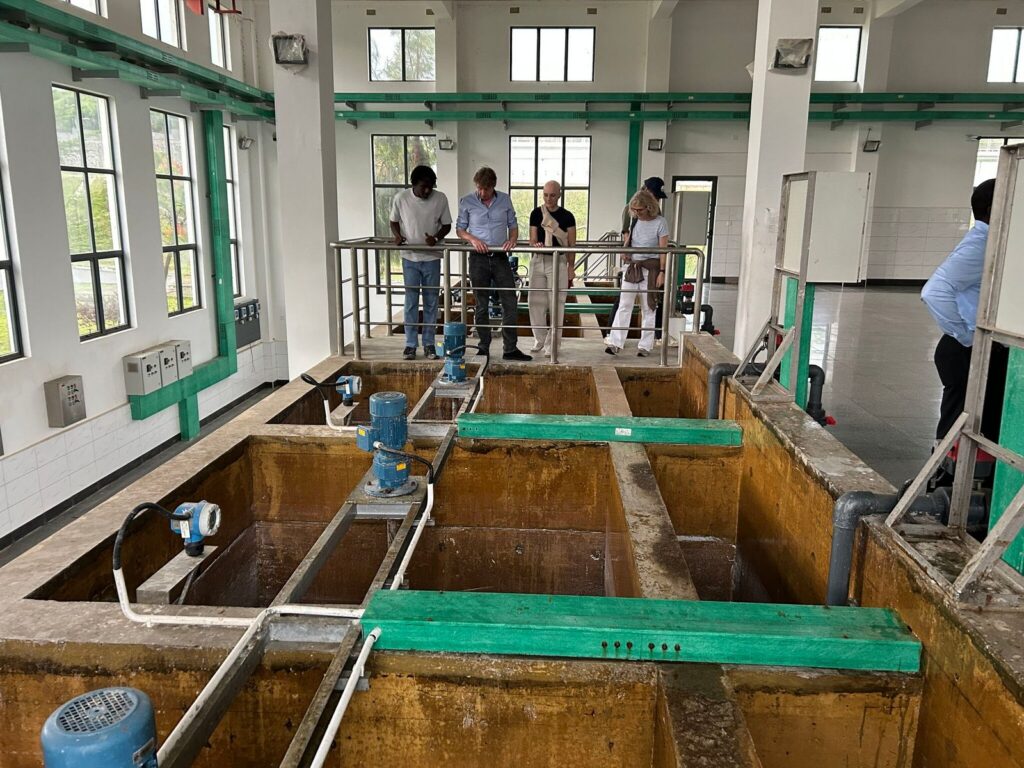
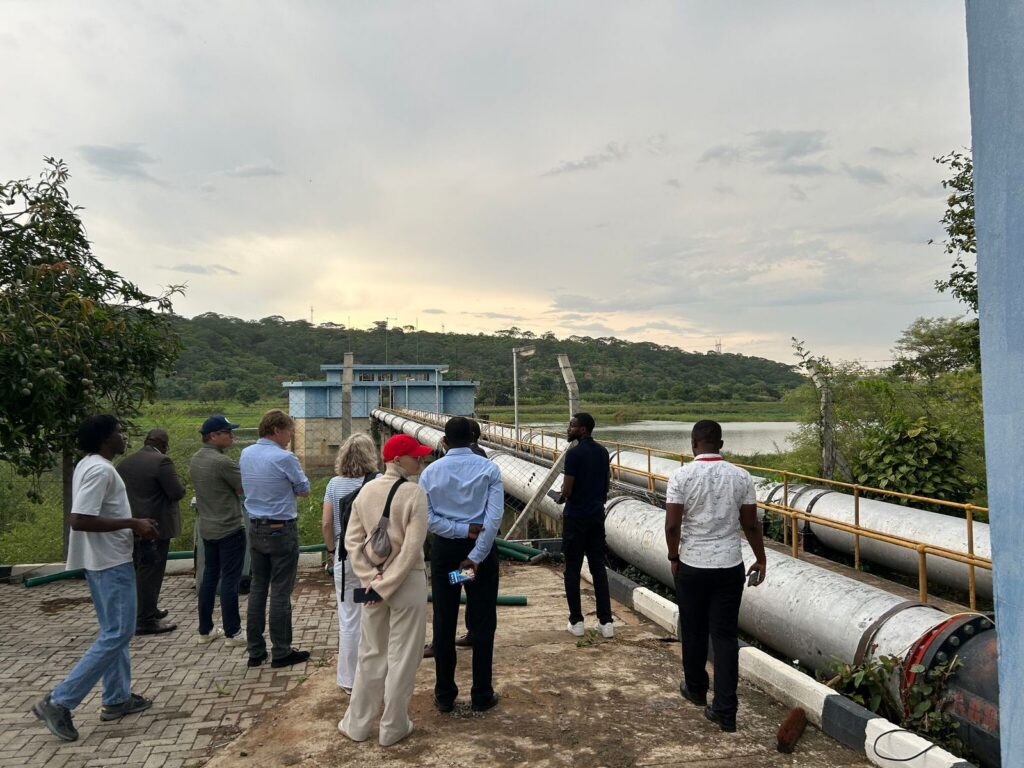
A particular highlight of the meeting week was the visit to Iolanda Water Works 2, operated and maintained by Lusaka Water Supply and Sanitation Company on 27 November. After several days of intensive workshops, this field visit provided an important opportunity to complement the technical discussions with direct insights into the operational realities of water production in Zambia.
These two Iolanda waterworks of Lusaka Water are located approximately fifty kilometres from Lusaka in the town of Kafue and supply the capital through a long-distance pipeline that overcomes a height difference of around 250 metres. The raw water is abstracted from the Kafue River, whose water level has dropped significantly due to climate change – a development that poses increasing risks to the utility Lusaka Water. In addition, frequent power outages, linked to Zambia’s heavy reliance on hydropower, regularly affect water production. Participants from both Zambian and German utilities expressed their appreciation for the in-depth technical insights and emphasised the value of the visit for future operational planning and collaboration.
Inaugeration of the Water Kiosk: 28 November
Find the seperate article on the Inaugeration here: Inaugeration of a Water Kiosk in Chisamba – Betreiberplattform